Field guide 01 Asia
East Asia Japan
Kyoto,
at your own pace.
Temple gardens, neighborhood kitchens and old streets that reward a slower walk.
Getting to know the place
More than
a first impression.
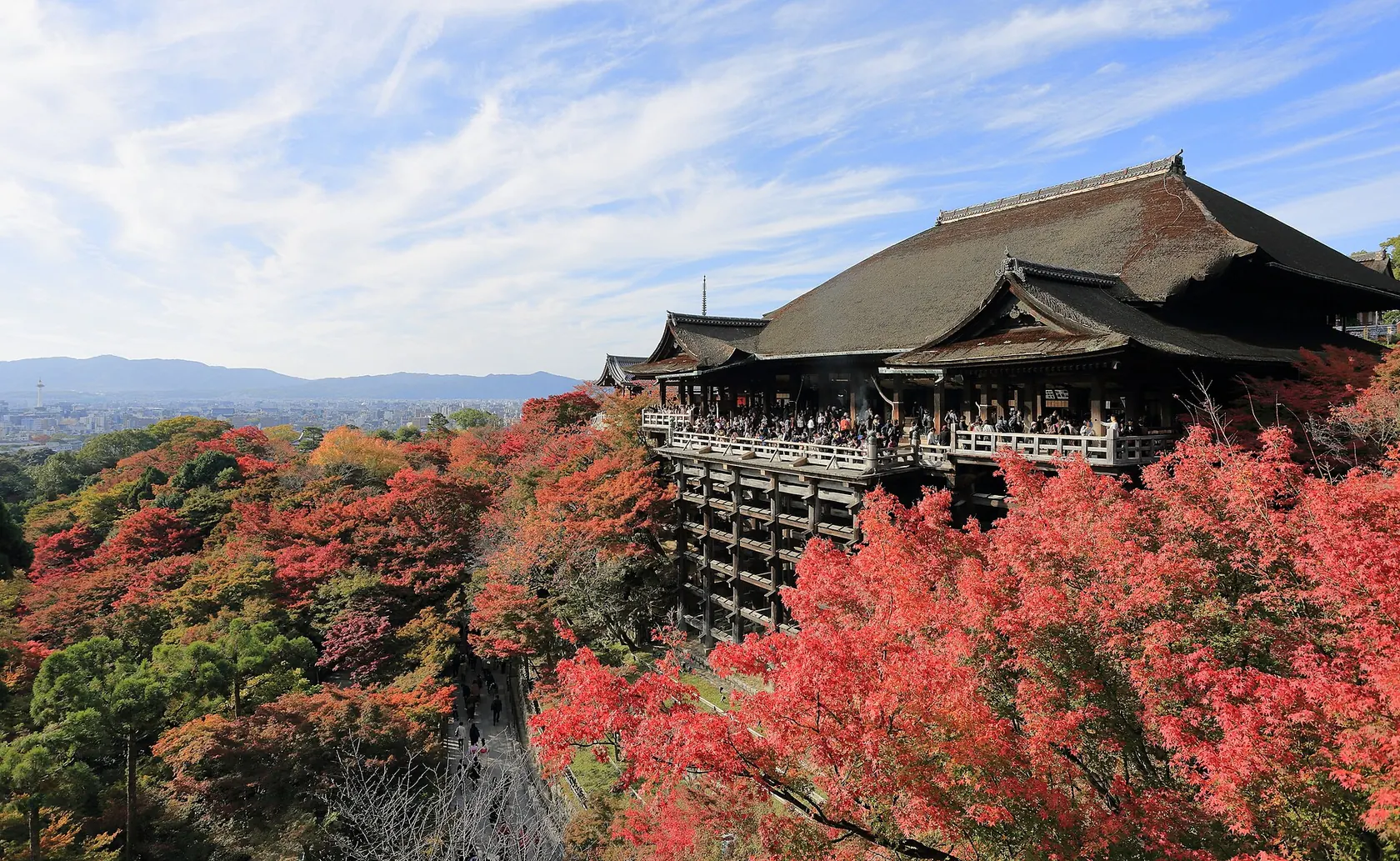
Kyoto is most rewarding when its remarkable cultural heritage meets ordinary neighborhood life. Pair one temple or garden with a long lunch, allow more time than you think for a single district, and leave the busiest sightseeing hours behind.
Culture, tradition & local character
A lived-in city where wooden machiya lanes, craft traditions and meditative gardens sit within reach of the everyday rhythms of a modern Japanese city.
A little more context
Take your time
with Kyoto.
Kyoto is not a single historic quarter: temple approaches, shopping streets and residential lanes each have their own pace. Choose one small area as the center of a day, notice the transitions between public landmarks and everyday streets, and leave room for a quiet garden or meal that was not on the original list. A second visit to the same lane at another hour can reveal more than adding one more distant stop. Keep the day's plan light enough to follow an interesting turn.

Higashiyama
Follow the preserved streets uphill, stopping to notice timber facades and views instead of rushing between landmarks.

The Philosopher’s Path
Walk this canal-side route as a neighborhood stroll; the experience changes with the season and the hour.

Nishiki and its side streets
Explore the central market area respectfully, then look nearby for a calmer meal away from the busiest lanes.
Kyoto, on the map.
See the places mentioned in this guide together. Area pins are approximate centres; check the right entrance and current access before setting out.
The map loads when you choose it. Map tiles are provided by OpenStreetMap.
- Philosopher’s PathPlace
- Nishiki MarketPlace
No fixed attraction is pinned for this day. Follow the neighbourhood suggestions in the itinerary and check local routes.
Open Kyoto in Google Maps ↗ · Pins are for orientation, not turn-by-turn routes. Confirm transport, accessibility, entrances and conditions directly.
Map information & sources
Place coordinates use Wikidata’s CC0 data, reviewed for this guide. Area markers show approximate centres and may not identify an accessible entrance. Map tiles © OpenStreetMap contributors.
A little room to wander.
A flexible three-part outline, drawn from this guide’s own notes. Switch the order around, leave space to rest, and check opening days and travel times before setting out.
- Part 01Begin gently
Higashiyama
Follow the preserved streets uphill, stopping to notice timber facades and views instead of rushing between landmarks.
- Part 02Follow your curiosity
The Philosopher’s Path
Walk this canal-side route as a neighborhood stroll; the experience changes with the season and the hour.
- Part 03Leave space for a detour
Nishiki and its side streets
Explore the central market area respectfully, then look nearby for a calmer meal away from the busiest lanes.
Choose your chapter · Section reviewed 2026-11-08
A little closer to Kyoto.
Choose one side of Kyoto for an outing. A temple visit, a short stretch of shopping street and a seated meal make a more useful chapter than a sequence of cross-city transfers. The choices below are editorial suggestions, not timed walking routes.
Gion and southern Higashiyama
Choose this area for temple approaches and the relationship between craft, performance and the old streets. Begin with a public temple approach, then let a smaller street or a café be the second part of the outing. Gion is also a place of work and private property: a photogenic alley is not permission to enter.
Central Kyoto and Nishiki
Choose the centre for an introduction to ingredients and everyday shopping. Nishiki’s shops offer different views of Kyoto cooking, including vegetables, tofu products and prepared foods. Buy a small portion, ask where to eat it and leave the shop entrance usable. Treat the market as a collection of businesses rather than a continuous walking buffet.
Culture, with context
Kyoto’s tourism guidance asks visitors not to stop, follow or photograph geiko and maiko without permission. Follow local signs even when other visitors ignore them. A booked public performance is a different experience from pursuing someone on their way to work.
Make the day your own
If your available day is short, retain either the Higashiyama chapter or the central-market chapter and remove the other. Choose accommodation by the trips you expect to repeat, then check the actual connection to its entrance.
Useful questions
Can I eat while walking through Nishiki?
Kyoto’s official guidance asks visitors to eat at the shop’s designated space rather than walk through the market eating. Ask the seller where to stand.
Is every Gion alley open to visitors?
No. Respect private-street and photography signs, and use public routes. An attractive photograph elsewhere online does not establish access.
Sources for this section
- Kyoto City: responsible travel ↗
- Kyoto City: Gion and Kiyomizu ↗
- Kyoto City: Nishiki visitor guidance ↗
Desk research by Elsewhere Travel. The choices and pacing are editorial suggestions; confirm current venue and transport information directly. How we research and correct our guides.
Plan with confidence
Kyoto trip planning essentials
Where to stay
Downtown around Kawaramachi or Sanjo is a practical base for restaurants and connections. Kyoto Station is useful for rail arrivals and day trips; Higashiyama is atmospheric but can involve more walking and fewer convenient late-evening connections.
Getting around
Use trains for journeys along rail corridors and buses or walking for areas without a nearby station. Cross-city trips can take longer than they look on a map; group nearby sights rather than switching between eastern and western Kyoto repeatedly.
When to visit
Spring blossoms and autumn foliage draw especially heavy crowds. Summer can be hot and humid, while winter is often quieter and cold. Check seasonal opening arrangements and weather before setting dates.
A realistic three-day starting plan
Day 1: southern Higashiyama and its historic lanes. Day 2: the Philosopher’s Path and northern Higashiyama, with time for one garden or temple. Day 3: central Kyoto, Nishiki’s surrounding streets and a neighborhood meal. Add further days for western Kyoto or a slower pace.
Before you go
Some temple areas restrict photography, and residential streets are not public photo sets. Respect posted access rules, avoid blocking narrow lanes and check current visitor notices from Kyoto’s official tourism office.
Stay, eat, explore.
Compare options for Kyoto, Japan. These links open current listings; Elsewhere does not book trips or set prices.

Find your kind of stay
Check live hotel rates Lower-cost stays · $ Mid-range stays · $$ Higher-end stays · $$$
Find a table
Compare restaurants, menus and recent reviews Search MICHELIN Guide selections
Make a little plan
Browse key attractions Explore local neighbourhoods Look up local public transport Find visitor accessibility guidance Compare indicative daily costs Find MICHELIN Guide hotelsThe $ / $$ / $$$ labels are broad relative price levels, not fixed nightly ranges. Rates change with dates, room type, fees and availability. Budget links are research starting points, not Elsewhere price quotes or guarantees.
A useful note before you go
Well-prepared, not overplanned.
Choose a base near the neighborhoods you most want to explore, wear comfortable shoes, and check official guidance for current temple access, seasonal closures and transit.
This is an editorial introduction, not a live travel advisory. Schedules, transport, entrance rules and local conditions change; confirm them directly with responsible local or official sources before your trip.
Know something we should correct? Send a destination correction. Include the detail and a supporting source; please avoid private information.
Where to next?
A few more places to get to know
Kanazawa
Artisan workshops, garden paths and a quietly rewarding alternative to Japan's largest cities.

Tokyo
One station at a time: tiny bars, shrine approaches and neighborhoods with their own tempo.

Luang Prabang
A Mekong-side town where monastery roofs, local markets and slow river time meet.