Field guide 26 North America
North America Canada
Montréal,
at your own pace.
Bilingual neighborhood life, independent cafés and art that spills onto the street.
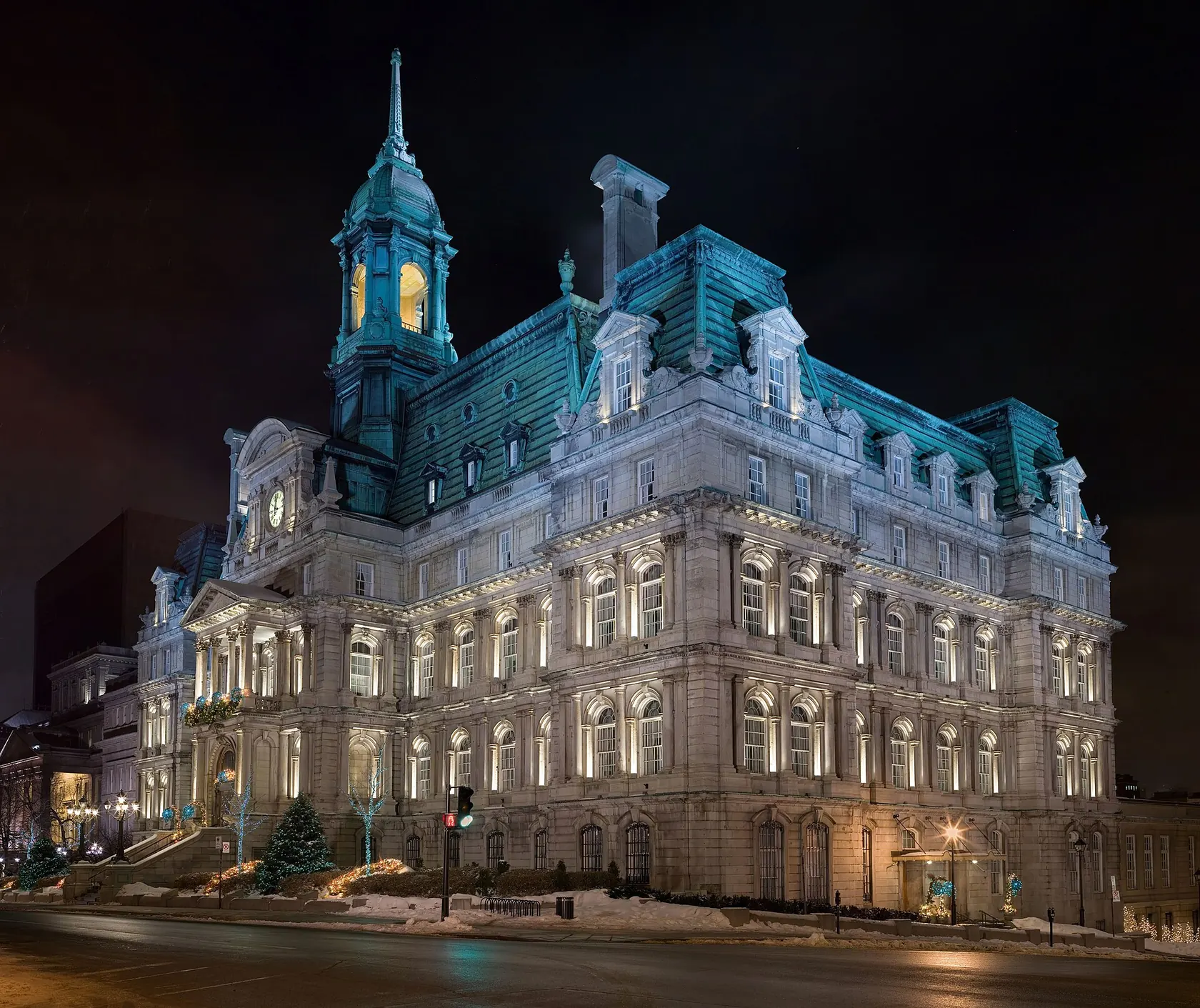
Getting to know the place
More than
a first impression.
Montréal opens up over a few days spent on foot between distinct neighborhoods. Follow the city's French and English voices, give contemporary galleries room beside historic architecture and bring an appetite for local bakeries.
Culture, tradition & local character
A bilingual cultural life brings contemporary arts and a distinctive North American Francophone food scene to a walkable set of districts.
A little more context
Take your time
with Montréal.
Montreal's neighborhoods offer a more rewarding frame than trying to cover the whole city at once. Set aside time for the contrast between older streets, contemporary culture and local food, and let the season shape how much of the day is spent outdoors. A language greeting and a little patience can make everyday encounters feel more welcoming. Choose an indoor alternative for changeable weather, then return outside when the day invites it. Check current cultural listings to find an event that suits your interests.
Photographs labelled “Local context” illustrate the place or its culture; they do not identify a specific booking or tour meeting point.

Old Montréal and the waterfront
Walk past the historic waterfront, then take time to learn about the Indigenous histories of the island.

Mile End
Explore an independent bookshop, bakery and small creative business on the same neighborhood block.

A market morning
Choose a seasonal market visit and talk to producers about what is local and in season.
Montréal, on the map.
See the places mentioned in this guide together. Area pins are approximate centres; check the right entrance and current access before setting out.
The map loads when you choose it. Map tiles are provided by OpenStreetMap.
- Old MontréalArea overview
- Mile EndArea overview
No fixed attraction is pinned for this day. Follow the neighbourhood suggestions in the itinerary and check local routes.
Open Montréal in Google Maps ↗ · Pins are for orientation, not turn-by-turn routes. Confirm transport, accessibility, entrances and conditions directly.
Map information & sources
Place coordinates use Wikidata’s CC0 data, reviewed for this guide. Area markers show approximate centres and may not identify an accessible entrance. Map tiles © OpenStreetMap contributors.
A little room to wander.
A flexible three-part outline, drawn from this guide’s own notes. Switch the order around, leave space to rest, and check opening days and travel times before setting out.
- Part 01Begin gently
Old Montréal and the waterfront
Walk past the historic waterfront, then take time to learn about the Indigenous histories of the island.
- Part 02Follow your curiosity
Mile End
Explore an independent bookshop, bakery and small creative business on the same neighborhood block.
- Part 03Leave space for a detour
A market morning
Choose a seasonal market visit and talk to producers about what is local and in season.
Choose your chapter · Section reviewed 2026-11-08
A little closer to Montréal.
A Montréal visit gains depth when there is time for the streets between formal attractions. Plateau-Mont-Royal and Mile End can make that chapter: choose a small area, a meal and a reason to pause rather than attempting every highlighted business in one afternoon.
Plateau-Mont-Royal: shopping streets and green space
Tourisme Montréal describes the Plateau through its commercial avenues, cafés, cultural venues and residential side streets. Around Mont-Royal Avenue, choose a few shops that suit your interests; Parc La Fontaine can be a different kind of pause. The distinctive exterior staircases are parts of people’s homes, not visitor platforms.
Mile End: food and creative life
The official neighbourhood guide connects Mile End with bookshops, cafés, food and the area’s different cultural communities. A bagel, a browsing stop and time to look at the streets can be enough of a plan. Let the choice of a business follow what interests you rather than treating a single queue as a required Montréal ritual.
Culture, with context
Mile End’s story includes overlapping communities rather than one fixed identity. Tourisme Montréal’s account describes Jewish, Greek, Italian and Portuguese connections alongside its creative life. Read local interpretation, ask about food when ordering and avoid assuming that a neighbourhood’s contemporary image describes every resident.
Make the day your own
Choose a base by the neighbourhood outings you expect to repeat and the transport you will actually use. In cold or wet conditions, shorten the outdoor portion and keep an indoor stop available. A pleasant summer street photograph does not describe winter surfaces or present accessibility.
Useful questions
Do I need a restaurant reservation for this chapter?
No particular restaurant is required by this guide. If a chosen venue matters to you, confirm its current hours, booking terms and dietary arrangements.
Can I climb a residential staircase for a photograph?
Do not enter private steps or property without permission. Photograph from a public place and keep entrances clear.
Sources for this section
Desk research by Elsewhere Travel. The choices and pacing are editorial suggestions; confirm current venue and transport information directly. How we research and correct our guides.
Plan with confidence
Montréal trip planning essentials
Choose a useful neighborhood
The city center offers transport connections, while Plateau Mont-Royal and Mile End suit travelers interested in neighborhood cafés, bookshops and smaller cultural spaces. Compare walking distance to métro stops and winter access before booking.
Explore by métro and on foot
Old Montréal, the waterfront and residential districts reward separate visits rather than a rushed loop. Local transit can bridge longer distances; check service alerts and accessibility details for the stations you will use.
A three-day starting plan
Day 1: walk Old Montréal and the waterfront, making room for Indigenous perspectives on the city's history. Day 2: spend time in Mile End and a museum or gallery. Day 3: browse a market and explore another neighborhood at a leisurely pace.
Seasons and culture
Weather can change what feels practical on foot, particularly in winter. Check event schedules and holiday openings; seek out Indigenous-led cultural organizations and exhibitions rather than treating the city's story as solely colonial or bilingual.
Stay, eat, explore.
Compare options for Montréal, Canada. These links open current listings; Elsewhere does not book trips or set prices.
Find your kind of stay
Check live hotel rates Lower-cost stays · $ Mid-range stays · $$ Higher-end stays · $$$Find a table
Compare restaurants, menus and recent reviews Search MICHELIN Guide selectionsMake a little plan
Browse key attractions Explore local neighbourhoods Look up local public transport Find visitor accessibility guidance Compare indicative daily costs Find MICHELIN Guide hotelsThe $ / $$ / $$$ labels are broad relative price levels, not fixed nightly ranges. Rates change with dates, room type, fees and availability. Budget links are research starting points, not Elsewhere price quotes or guarantees.
A useful note before you go
Well-prepared, not overplanned.
Seasonal conditions significantly affect walking, events and opening times. Check current local transit, events and Indigenous visitor resources.
This is an editorial introduction, not a live travel advisory. Schedules, transport, entrance rules and local conditions change; confirm them directly with responsible local or official sources before your trip.
Know something we should correct? Send a destination correction. Include the detail and a supporting source; please avoid private information.
Where to next?
A few more places to get to know
New York City
Theater streets, independent museums and a different neighborhood every day.

Copenhagen
Waterside pauses, independent design and a city made for noticing detail.
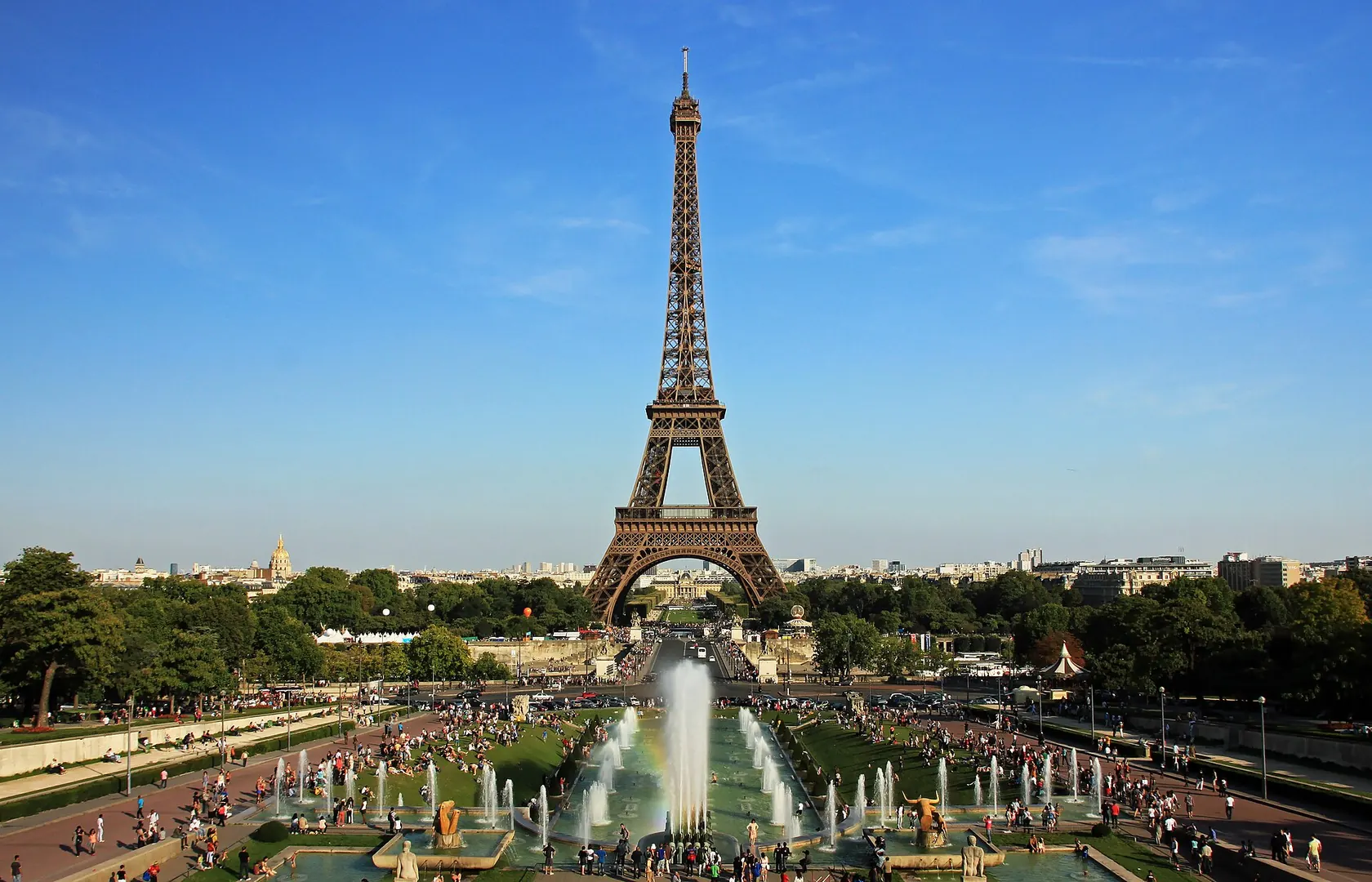
Paris
Independent bookshops, gallery hours and the small daily rituals between museums.