Field guide 36 Europe
Southern Europe Italy
Rome,
at your own pace.
Ancient stone, neighbourhood tables and a route through the centre’s squares that leaves room to look up.
Getting to know the place
More than
a first impression.
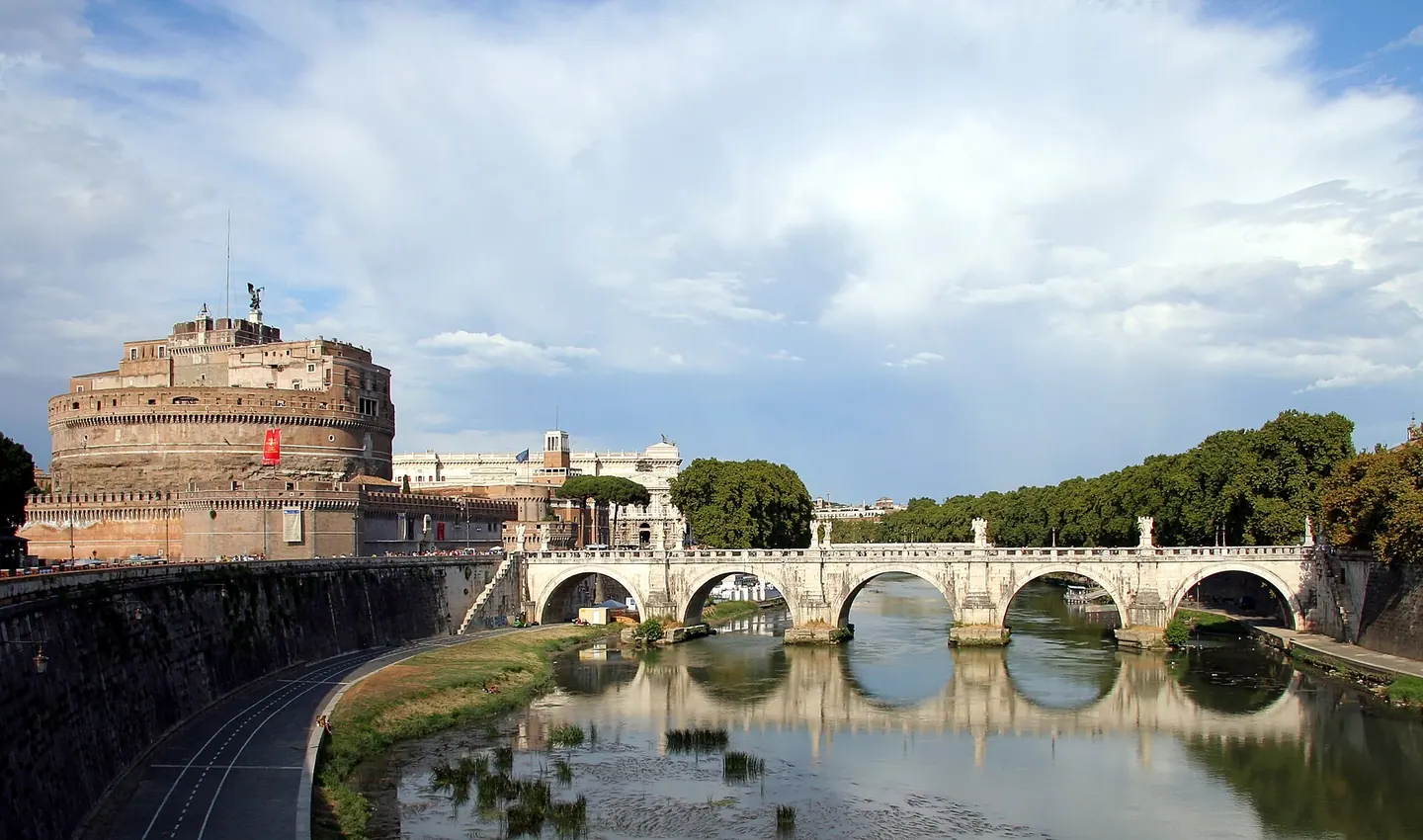
Rome’s layers are clearest when you resist packing them into a single day. Begin with the archaeological landscape around the Colosseum, give the historic centre another day, then spend a third exploring the river and a neighbourhood beyond the most familiar monuments. The walk between places is part of the visit, but cobbles, heat and crowds can make a short-looking route demanding. Three days provides a first encounter, not a complete account of the city.
Culture, tradition & local character
Ancient structures, Christian places of worship and ordinary residential streets occupy the same city. The Pantheon illustrates that continuity particularly well: approach it as a historic monument that is also a church. Follow posted dress and photography requirements rather than assuming one rule applies everywhere. Rome’s public squares are social spaces as well as sightseeing stops; leave room for people using them to work, meet friends or get home.
A little more context
Take your time
with Rome.
Choose your fixed bookings before arranging the walking route. A Colosseum ticket, a church visit and an open square involve different entry arrangements and different amounts of standing. Allow a real lunch break between them. This itinerary stays within Rome; a visit to Vatican City deserves separate planning and is not quietly included as another stop on an already full central-city day.
Colosseum and the archaeological park
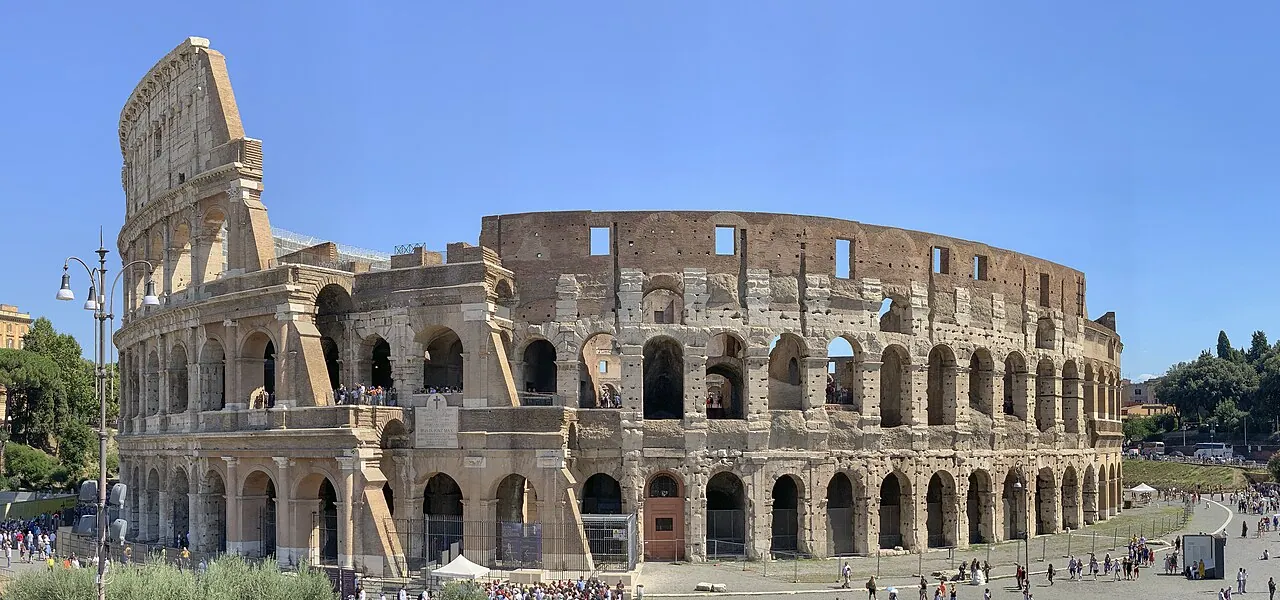
Start with one coherent visit to the ancient city rather than treating the Colosseum, Forum and Palatine as interchangeable ticket add-ons. Read the official park’s explanation of each ticket and route before booking, especially if a particular area matters to you. Afterwards, step away for a meal and time to absorb what you have seen instead of immediately entering another major site.
Official visitor information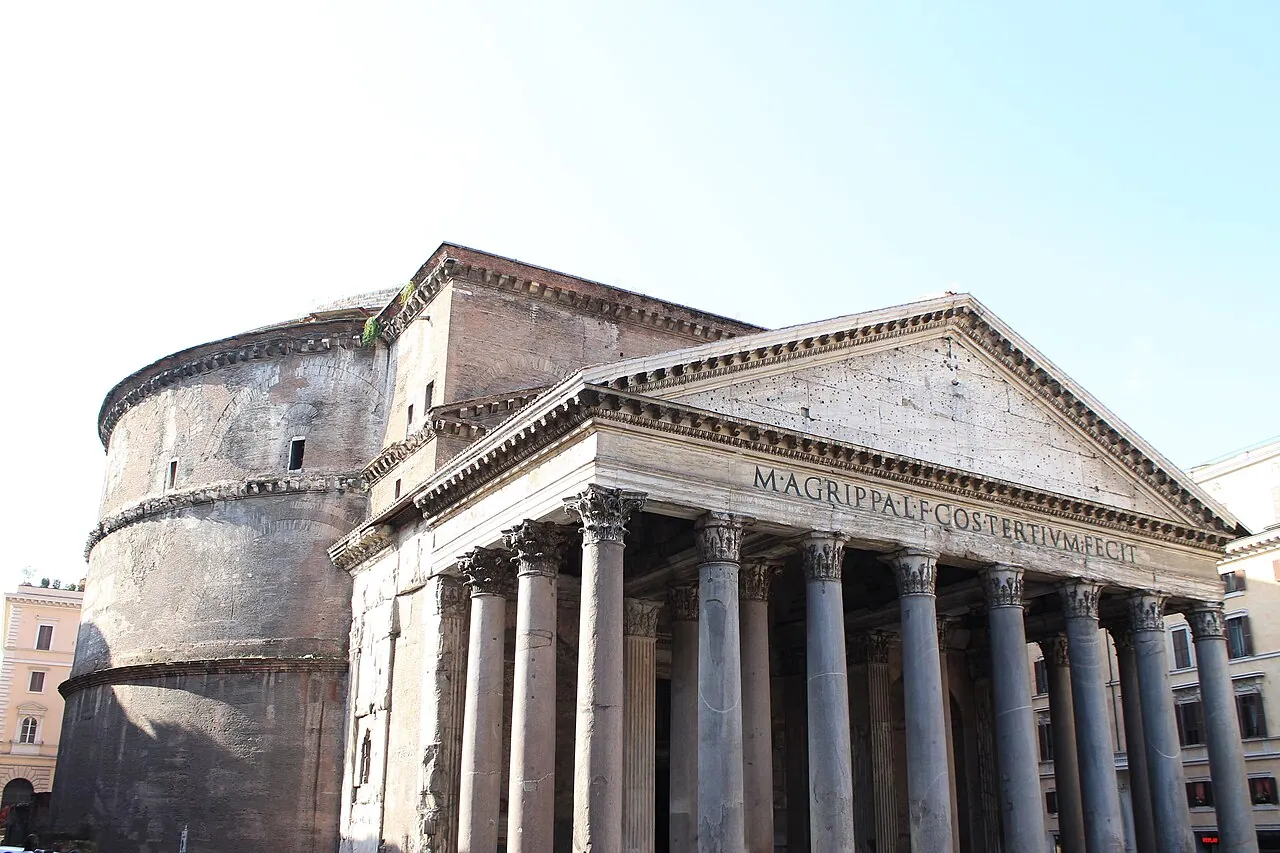
The Pantheon
Approach through the surrounding streets, then pause to understand the relationship between the columned entrance and the great domed interior. Check current official entry and worship arrangements before joining a queue. The square outside is worth time in its own right; do not let a photograph at the doorway become the whole encounter with the building.
Official visitor information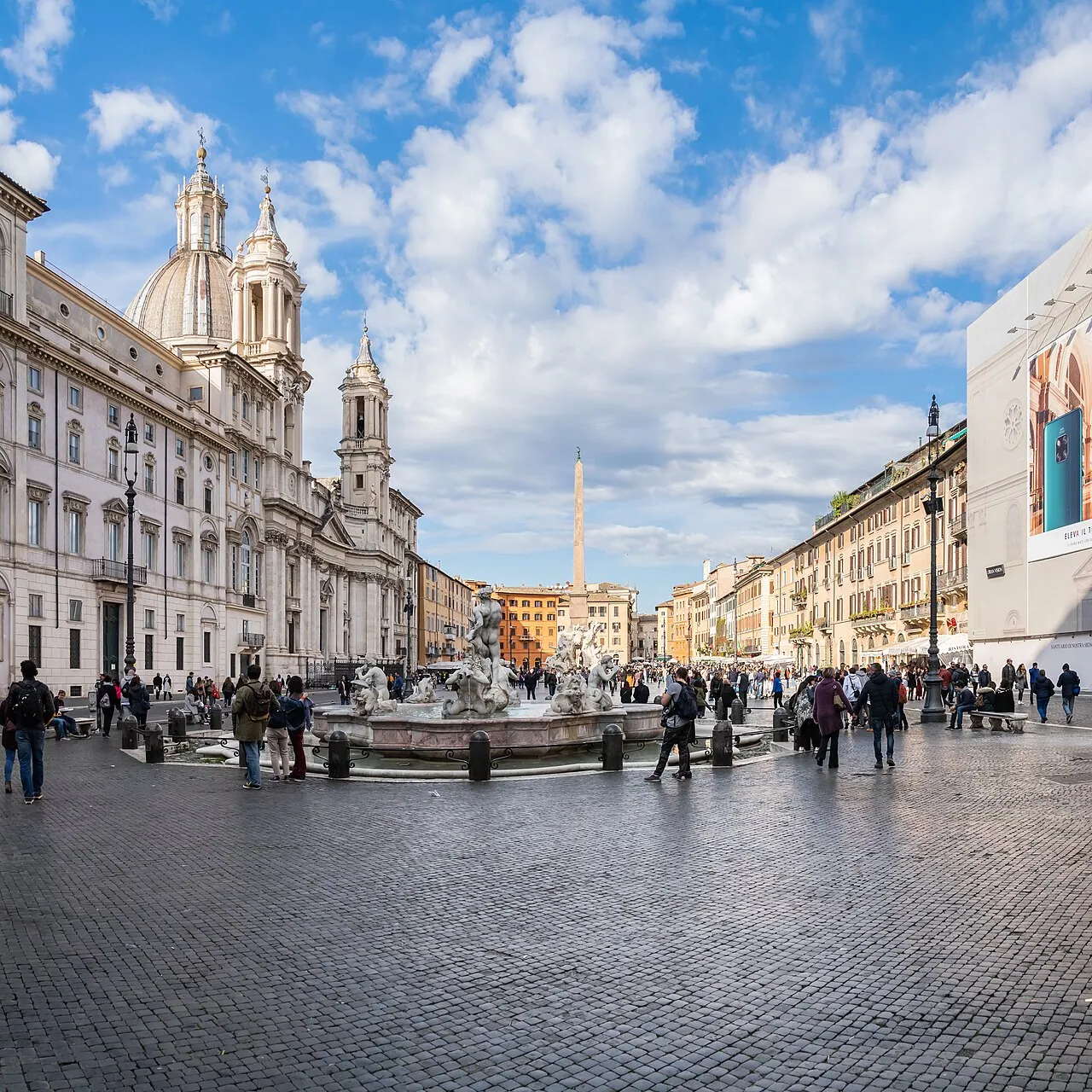
Piazza Navona
The long shape of this Baroque square follows the ancient Stadium of Domitian beneath it. Walk its length and look at the relationship between fountains, church and palaces, rather than concentrating only on the centre. Nearby streets connect naturally with the Pantheon area, making the square an outdoor counterpoint to an interior visit.
Official visitor informationRome, on the map.
See the places mentioned in this guide together. Area pins are approximate centres; check the right entrance and current access before setting out.
The map loads when you choose it. Map tiles are provided by OpenStreetMap.
- ColosseumDay 1 · Place
- Piazza NavonaDay 2 · Place
- PantheonDay 2 · Place
No fixed attraction is pinned for this day. Follow the neighbourhood suggestions in the itinerary and check local routes.
Open Rome in Google Maps ↗ · Pins are for orientation, not turn-by-turn routes. Confirm transport, accessibility, entrances and conditions directly.
Map information & sources
Place coordinates use Wikidata’s CC0 data, reviewed for this guide. Area markers show approximate centres and may not identify an accessible entrance. Map tiles © OpenStreetMap contributors.
A little room to wander.
An editorial three-day route, grouped by area. For two days, choose the chapters that interest you; check opening days, access and current conditions before arranging fixed bookings.
-
Day 1
A day with the ancient city
- Morning
- Visit the Colosseum archaeological park using the route and entry time on your actual ticket.
- Afternoon
- Break for lunch around Monti, then take a short walk towards the Capitoline area if energy and conditions allow.
- Evening
- Stay nearby for dinner or return to your base. Keep this evening light after a day on uneven surfaces.
-
Day 2
The historic centre, one square at a time
- Morning
- Visit the Pantheon after checking its entry and worship arrangements. Walk a small loop through the surrounding streets.
- Afternoon
- Continue to Piazza Navona and take a proper seated break. Add another interior only if it genuinely interests you.
- Evening
- Return through the centre at your own pace. Compare menus away from the first table facing a major monument.
-
Day 3
River crossings and neighbourhood food
- Morning
- Choose a short route beside or across the Tiber, using public transport to avoid an unnecessary long approach.
- Afternoon
- Spend time in Trastevere, or make Testaccio your separate food-focused outing. Pick one rather than rushing both.
- Evening
- Have a final neighbourhood meal and leave time to pack or confirm your departure connection.
Food & everyday life
Food & local culture in Rome.
Roman pasta traditions provide a useful starting point: cacio e pepe centres on pecorino and black pepper, while other classics combine those ingredients with guanciale, tomato or egg. Try one dish thoughtfully rather than treating lunch as another checklist. Testaccio is an option for a separate food-focused outing, and the historic centre has places for a modest pause between visits. Compare menus and stated cover or service charges before sitting down; explain dietary requirements directly.
Getting around
How to get around Rome.
ATAC provides current information for buses, trams and metro journeys. Group central sights into walking areas and use transit for the longer connection between them. Check ticket validity and validation instructions for the product you buy, including any airport journey booked separately. Expect disruptions or route changes to affect the neatest-looking plan and leave a little space before a timed entry.
Season & pace
During hot weather, reduce exposed walking and move outdoor time to a more comfortable part of the day. Keep drinking-water stops and an indoor alternative in the plan. Religious services and special events can alter visiting arrangements.
Access & comfort
Accessibility in Rome.
Historic paving, slopes and archaeological surfaces make route selection important. The Colosseum park’s official accessibility information is a better starting point than assuming the whole archaeological area is equally easy to navigate. Confirm the accessible entrance and any required assistance with the individual venue. Build in shorter loops and rest stops; an attractive route on a map may include steps or rough ground.
Indicative budget · EUR
What to budget for Rome.
Use these editorial allowances as a first planning envelope for one adult. Accommodation is extra. These are estimates, not a price survey, quoted fares or live hotel rates.
| Category | Allowance per person |
|---|---|
| Casual meals | €25–€45 |
| Local journeys | €5–€10 |
| Visits & admissions | €0–€40 |
| Sample day total | €30–€95 |
What this estimate includes
Casual food, short local transport journeys and a mix of free walks or paid visits. Airport and intercity travel, taxis, shopping, alcohol and accommodation are excluded. Two- and three-day totals use the same daily allowance; your choices can cost less or more. Check the official sources below and compare complete room totals for your dates.
Stay, eat, explore.
Compare options for Rome, Italy. These links open current listings; Elsewhere does not book trips or set prices.
Find your kind of stay
Check live hotel rates Lower-cost stays · $ Mid-range stays · $$ Higher-end stays · $$$Find a table
Compare restaurants, menus and recent reviews Search MICHELIN Guide selectionsMake a little plan
Browse key attractions Explore local neighbourhoods Look up local public transport Find visitor accessibility guidance Compare indicative daily costs Find MICHELIN Guide hotelsThe $ / $$ / $$$ labels are broad relative price levels, not fixed nightly ranges. Rates change with dates, room type, fees and availability. Budget links are research starting points, not Elsewhere price quotes or guarantees.
A useful note before you go
Well-prepared, not overplanned.
Compare a base in the historic centre with a room near a useful metro connection or your arrival station. Central streets reduce some journeys but do not remove uneven paving or traffic. Check the exact entrance, lift and evening walk if those matter to your trip.
This is an editorial introduction, not a live travel advisory. Schedules, transport, entrance rules and local conditions change; confirm them directly with responsible local or official sources before your trip.
Sources & review
Before you set out.
Desk research reviewed . The route and budget allowances are Elsewhere’s editorial suggestions. Consult the linked official visitor, venue and transport information for current access, prices and conditions.
Know something we should correct? Send a destination correction. Include the detail and a supporting source; please avoid private information.
Where to next?
A few more places to get to know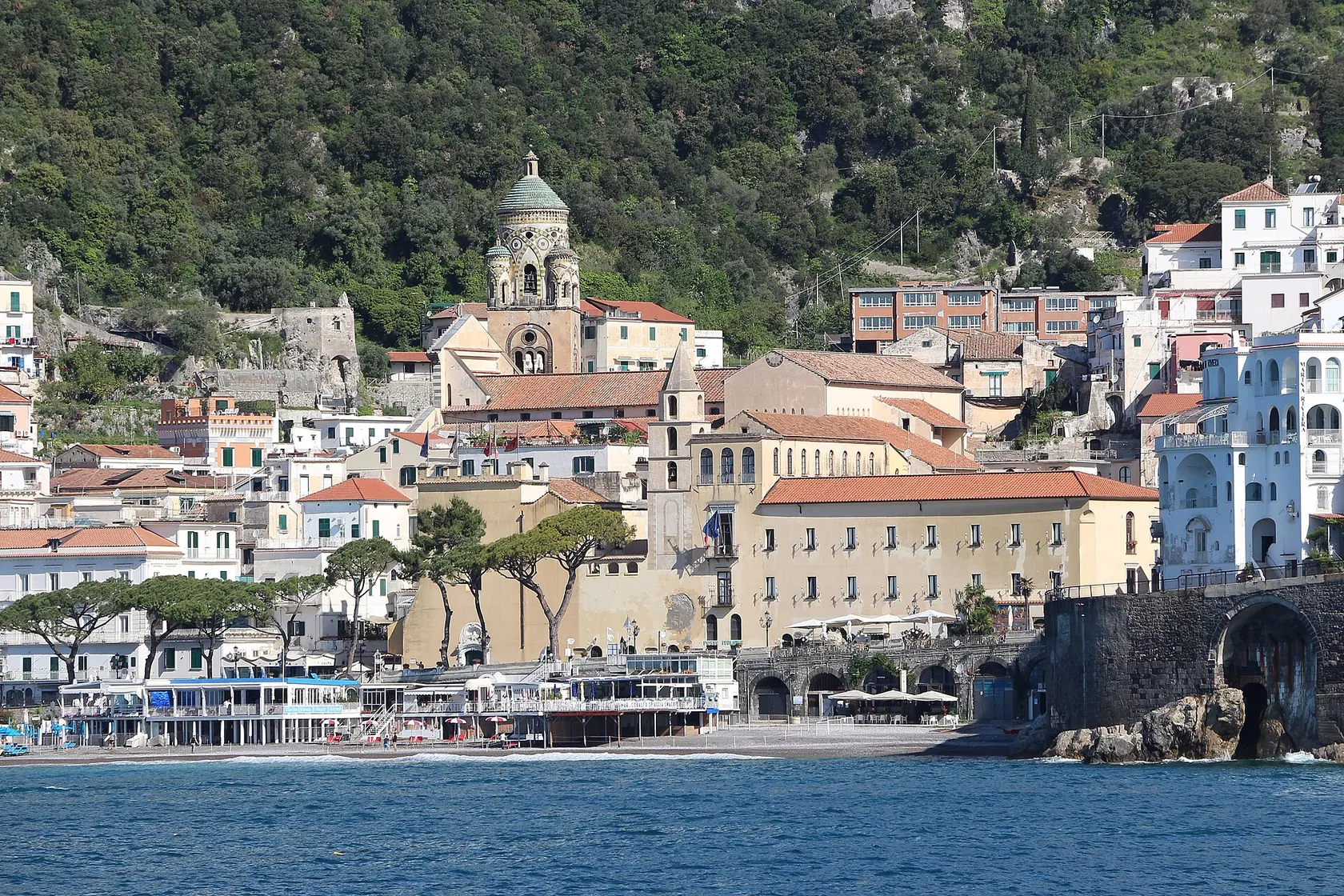
The Amalfi Coast
Sea-air mornings, cliffside lanes and a better case for staying put.
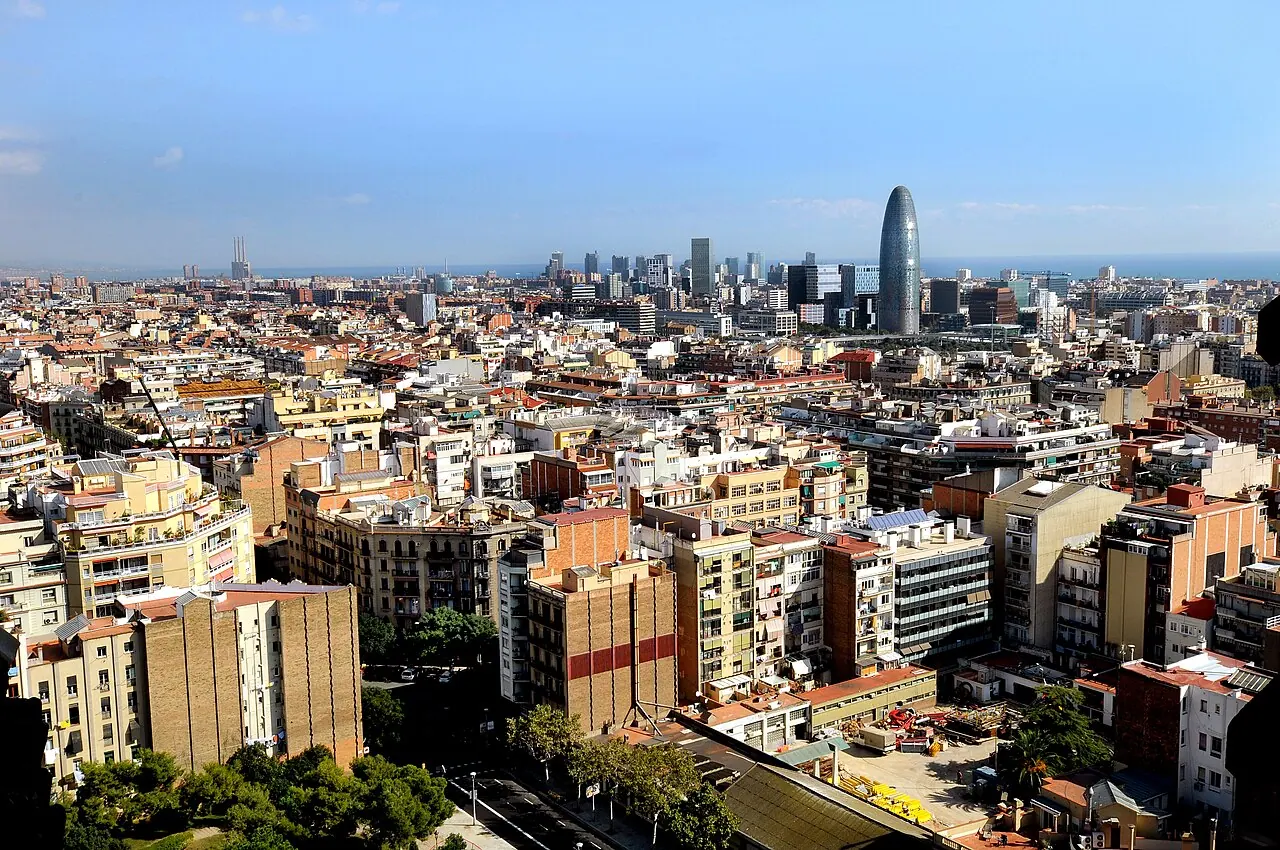
Barcelona
Modernista architecture, a hillside garden and market streets, arranged into days that make geographical sense.
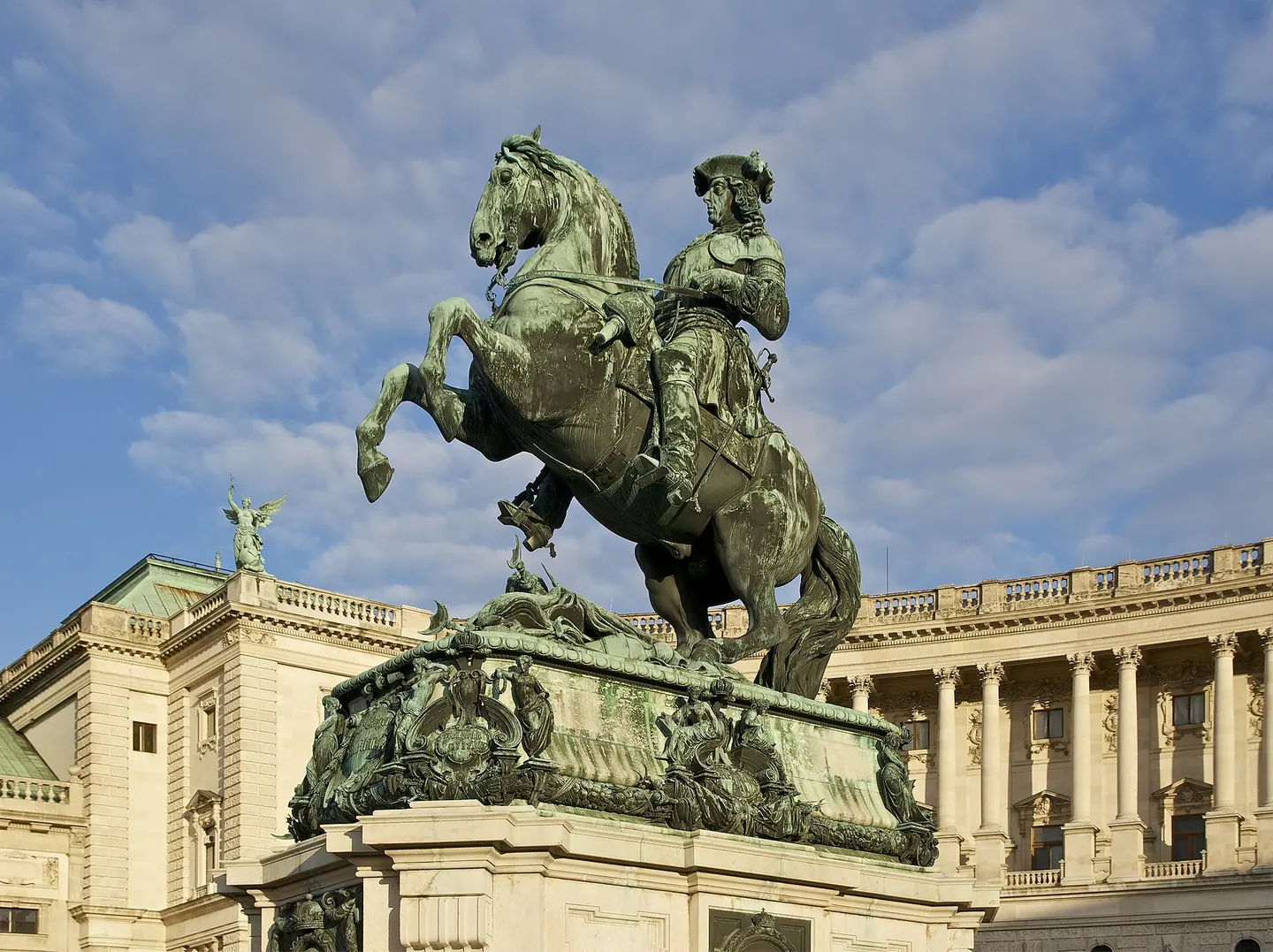
Vienna
A cathedral, a palace landscape and a working market, with coffeehouse pauses woven into the route.