Field guide 42 Asia
East Asia South Korea
Seoul,
at your own pace.
Palace courtyards, living hanok streets and a market meal: a compact first encounter with a very large city.
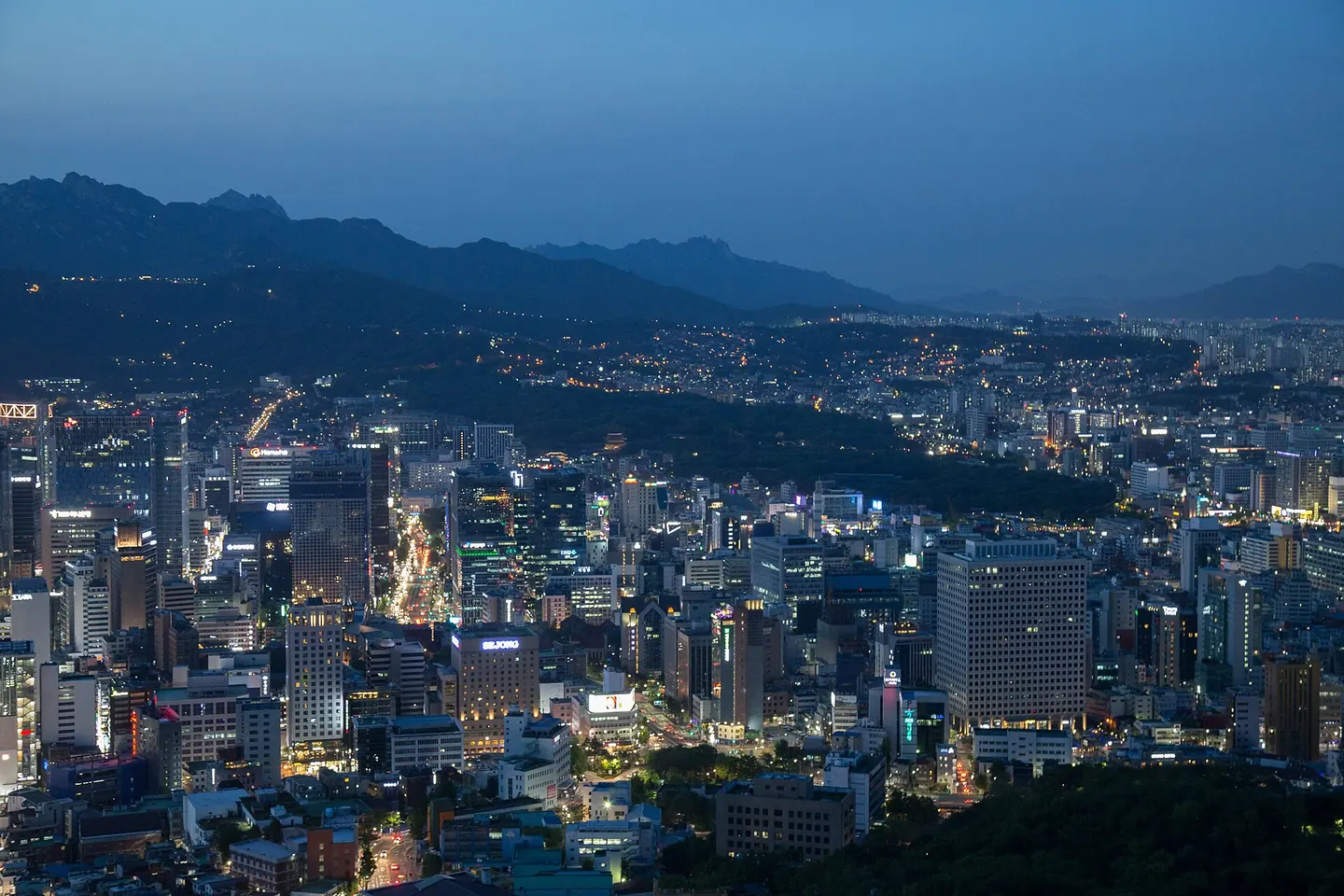
Getting to know the place
More than
a first impression.
A first Seoul visit becomes easier when you give the historic centre time instead of crossing the metropolis between every stop. Gyeongbokgung, the streets around Bukchon and Gwangjang Market offer three different ways into the city’s cultural life. The palace is a formal visitor site, Bukchon is a residential neighbourhood, and the market is a working place to shop and eat. Those differences should shape the pace and manners of the day.
Culture, tradition & local character
Hanok houses are part of a living neighbourhood, not an unrestricted photo set. Bukchon’s managed areas have rules intended to protect residents, and the red zone has restricted tourist visiting hours. Check the official boundaries and current guidance before walking into it. At palaces and cultural sites, follow staff instructions and any photography restrictions. A little attention to the difference between public visiting space and a private doorway makes the outing more considerate.
A little more context
Take your time
with Seoul.
Pick a station and exit for the actual destination rather than assuming that a neighbourhood name identifies a short walk. The palace area is a good first anchor, but large courtyards can still involve substantial standing and exposed ground. Keep the Bukchon outing to permitted visiting times and a manageable route. The market provides a different rhythm: choose a meal and look around before deciding whether you want to continue exploring.
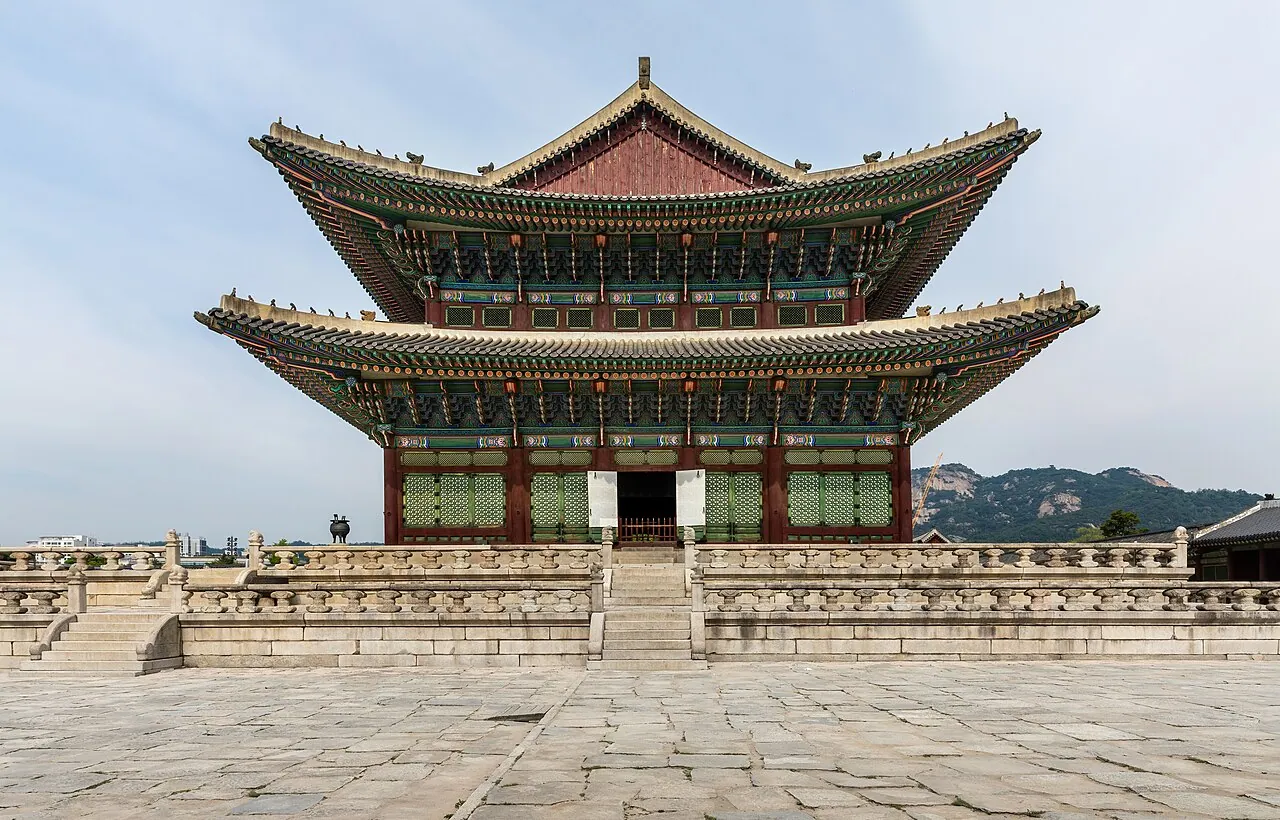
Gyeongbokgung Palace
Begin with the palace’s formal courtyards and architectural layout, giving yourself time to notice how gateways frame the spaces beyond them. Read current official visiting arrangements before choosing an entry time or adding another institution nearby. The scale rewards a focused visit with a break afterwards rather than an attempt to combine several palaces in one morning.
Official visitor information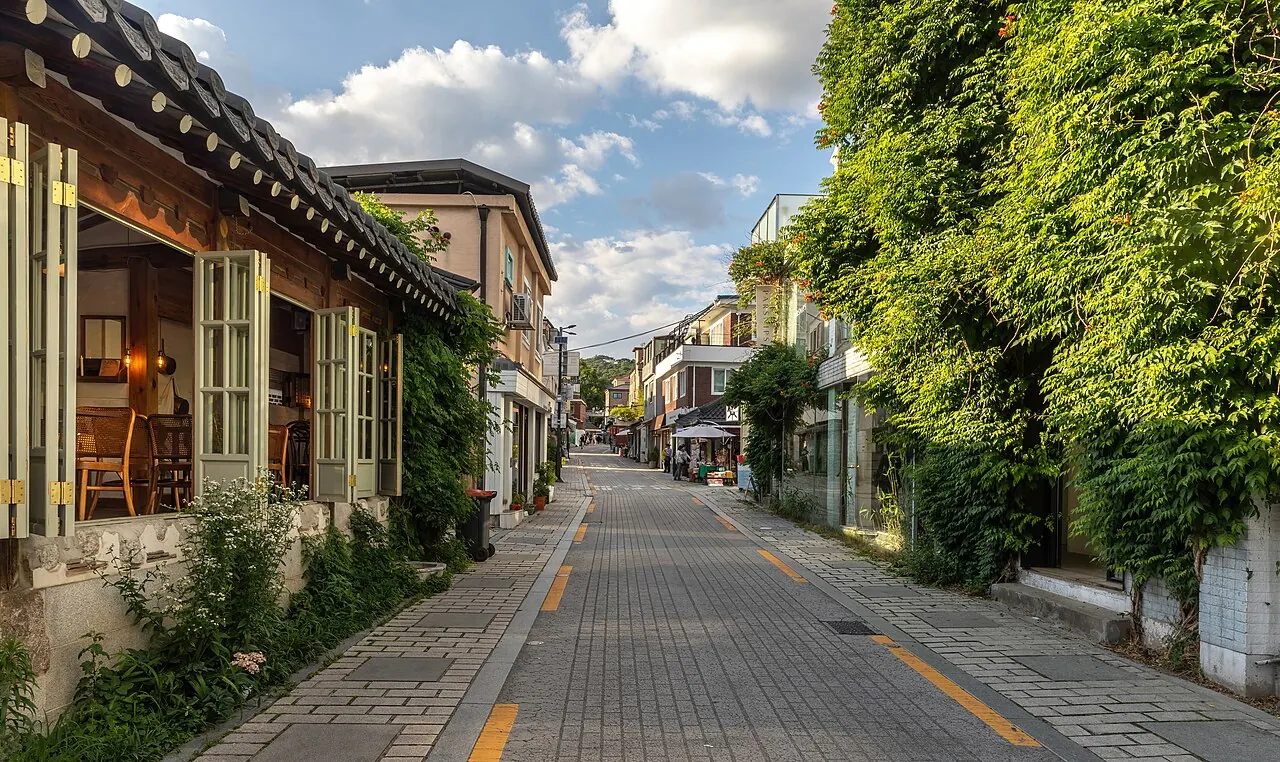
Bukchon Hanok Village
Use the official hanok information to understand the neighbourhood and identify the permitted visitor route and hours. The traditional houses sit within an inhabited area, so quiet behaviour and respect for private entrances are central to the visit. As researched in November 2026, the red zone restricts tourist access from 17:00 to 10:00; verify the current notice and boundaries before going.
Official visitor information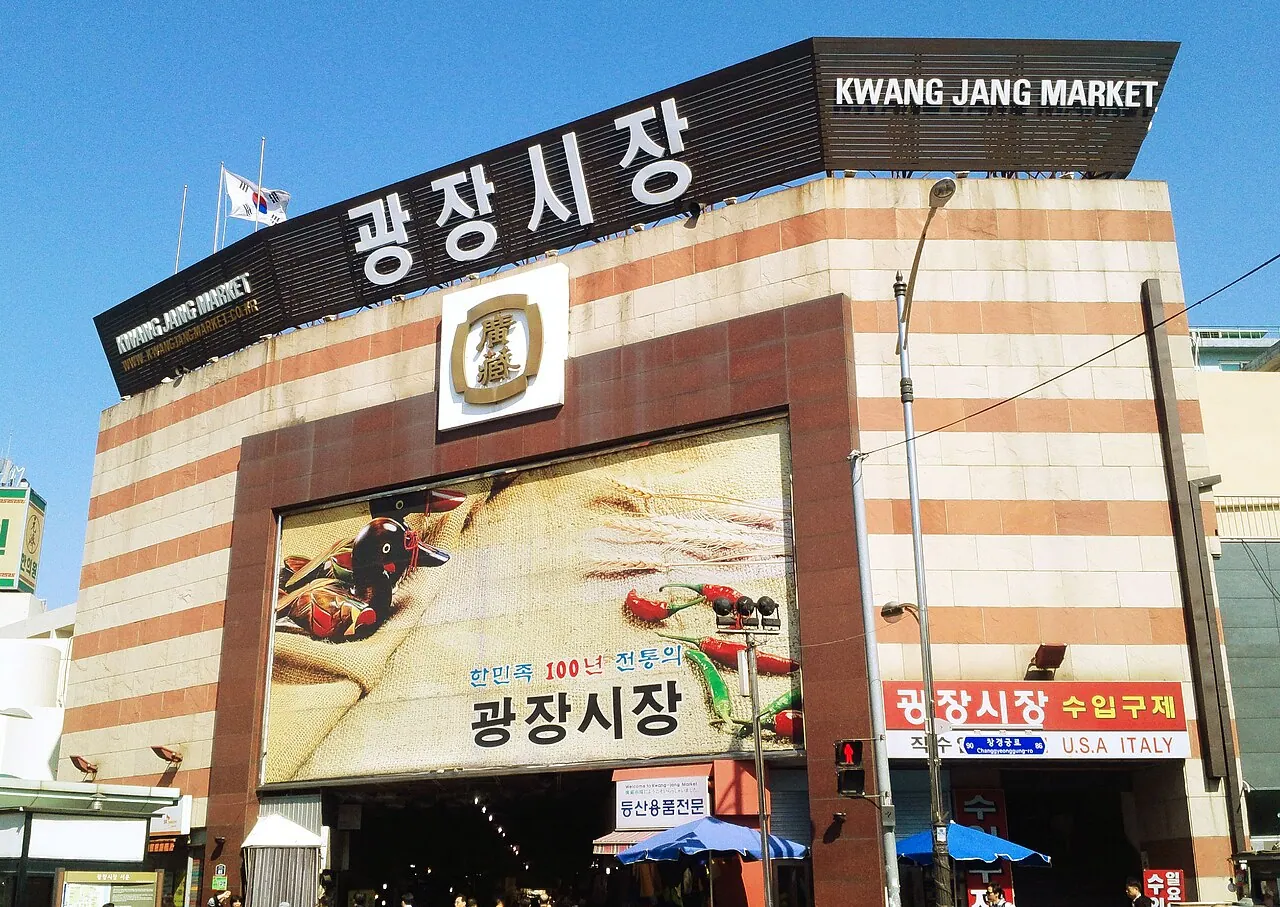
Gwangjang Market
Make the market a meal and a look at everyday trading life, not just a stop to photograph food. Walk a short section first, decide what you want to try and agree the price before ordering. Different stalls and parts of the market can operate differently, so check the current details if a particular dish or trader is important to your plan.
Official visitor informationSeoul, on the map.
See the places mentioned in this guide together. Area pins are approximate centres; check the right entrance and current access before setting out.
The map loads when you choose it. Map tiles are provided by OpenStreetMap.
- Gyeongbokgung PalaceDay 1 · Area overview
- Bukchon Hanok VillageDay 2 · Area overview
- Gwangjang MarketDay 3 · Place
No fixed attraction is pinned for this day. Follow the neighbourhood suggestions in the itinerary and check local routes.
Open Seoul in Google Maps ↗ · Pins are for orientation, not turn-by-turn routes. Confirm transport, accessibility, entrances and conditions directly.
Map information & sources
Place coordinates use Wikidata’s CC0 data, reviewed for this guide. Area markers show approximate centres and may not identify an accessible entrance. Map tiles © OpenStreetMap contributors.
A little room to wander.
An editorial three-day route, grouped by area. For two days, choose the chapters that interest you; check opening days, access and current conditions before arranging fixed bookings.
-
Day 1
A palace as the starting point
- Morning
- Visit Gyeongbokgung after checking the current opening day, entry arrangements and access route.
- Afternoon
- Have lunch in the surrounding area, then choose one nearby museum or a short street walk.
- Evening
- Return to your base or eat nearby. Leave the evening flexible after time in the palace grounds.
-
Day 2
Hanok streets within the visiting rules
- Morning
- Check the official Bukchon notice and boundaries. Visit only during permitted tourist hours, using a manageable residential-street route.
- Afternoon
- Pause for lunch and choose another cultural stop in the wider area rather than repeatedly revisiting residential photo points.
- Evening
- Keep evening plans outside any restricted residential area and confirm the return connection.
-
Day 3
A market meal and your own priorities
- Morning
- Use the day for a cultural visit you want more time for, or leave a slower start after two walking days.
- Afternoon
- Go to Gwangjang Market for a deliberate meal and a short look around, checking current stall arrangements.
- Evening
- Choose a nearby outing or dinner according to your energy. Avoid adding a distant district only to complete a list.
Food & everyday life
Food & local culture in Seoul.
Gwangjang is known for foods such as bindaetteok, the mung-bean pancake, and small gimbap rolls, alongside many other dishes. Choose a stall by the food you want and the information you can confirm, not just by a queue or a photograph. Ask about ingredients, portions and prices before ordering, especially where allergens or raw foods matter. Give traders and other diners space and ask before photographing someone at close range.
Getting around
How to get around Seoul.
Seoul’s official visitor transport guide is useful for planning subway and bus connections and understanding payment options. Check the route, transfer and station exit before departure; the last few streets can be as important as the train journey. Group nearby visits together. For a longer evening outing, confirm the return service rather than assuming a central-city stay removes the need to plan it.
Season & pace
Keep a shorter version of the palace walk for strong sun, rain or winter cold. Plan a warm or cool indoor pause according to the season. Check palace closures and Bukchon’s current visitor restrictions before setting your days.
Access & comfort
Accessibility in Seoul.
Historic lanes and large palace grounds require a more detailed plan than a city-wide map can provide. Confirm the palace entrance and any assistance directly, and use official transport information for lifts and the route to the street. Bukchon includes slopes and narrow residential lanes; choose a suitable section or an alternative cultural visit rather than treating every viewpoint as essential.
Indicative budget · KRW
What to budget for Seoul.
Use these editorial allowances as a first planning envelope for one adult. Accommodation is extra. These are estimates, not a price survey, quoted fares or live hotel rates.
| Category | Allowance per person |
|---|---|
| Casual meals | ₩25,000–₩45,000 |
| Local journeys | ₩5,000–₩10,000 |
| Visits & admissions | ₩0–₩15,000 |
| Sample day total | ₩30,000–₩70,000 |
What this estimate includes
Casual food, short local transport journeys and a mix of free walks or paid visits. Airport and intercity travel, taxis, shopping, alcohol and accommodation are excluded. Two- and three-day totals use the same daily allowance; your choices can cost less or more. Check the official sources below and compare complete room totals for your dates.
Stay, eat, explore.
Compare options for Seoul, South Korea. These links open current listings; Elsewhere does not book trips or set prices.
Find your kind of stay
Check live hotel rates Lower-cost stays · $ Mid-range stays · $$ Higher-end stays · $$$Find a table
Compare restaurants, menus and recent reviews Search MICHELIN Guide selectionsMake a little plan
Browse key attractions Explore local neighbourhoods Look up local public transport Find visitor accessibility guidance Compare indicative daily costs Find MICHELIN Guide hotelsThe $ / $$ / $$$ labels are broad relative price levels, not fixed nightly ranges. Rates change with dates, room type, fees and availability. Budget links are research starting points, not Elsewhere price quotes or guarantees.
A useful note before you go
Well-prepared, not overplanned.
For this first-visit route, compare a base in the Jongno area with a room near a convenient subway connection elsewhere. Check the precise exit, stairs and walk to the accommodation. A district that looks close to a palace on a map may still require a long approach or a slope.
This is an editorial introduction, not a live travel advisory. Schedules, transport, entrance rules and local conditions change; confirm them directly with responsible local or official sources before your trip.
Sources & review
Before you set out.
Desk research reviewed . The route and budget allowances are Elsewhere’s editorial suggestions. Consult the linked official visitor, venue and transport information for current access, prices and conditions.
Know something we should correct? Send a destination correction. Include the detail and a supporting source; please avoid private information.
Where to next?
A few more places to get to know
Tokyo
One station at a time: tiny bars, shrine approaches and neighborhoods with their own tempo.
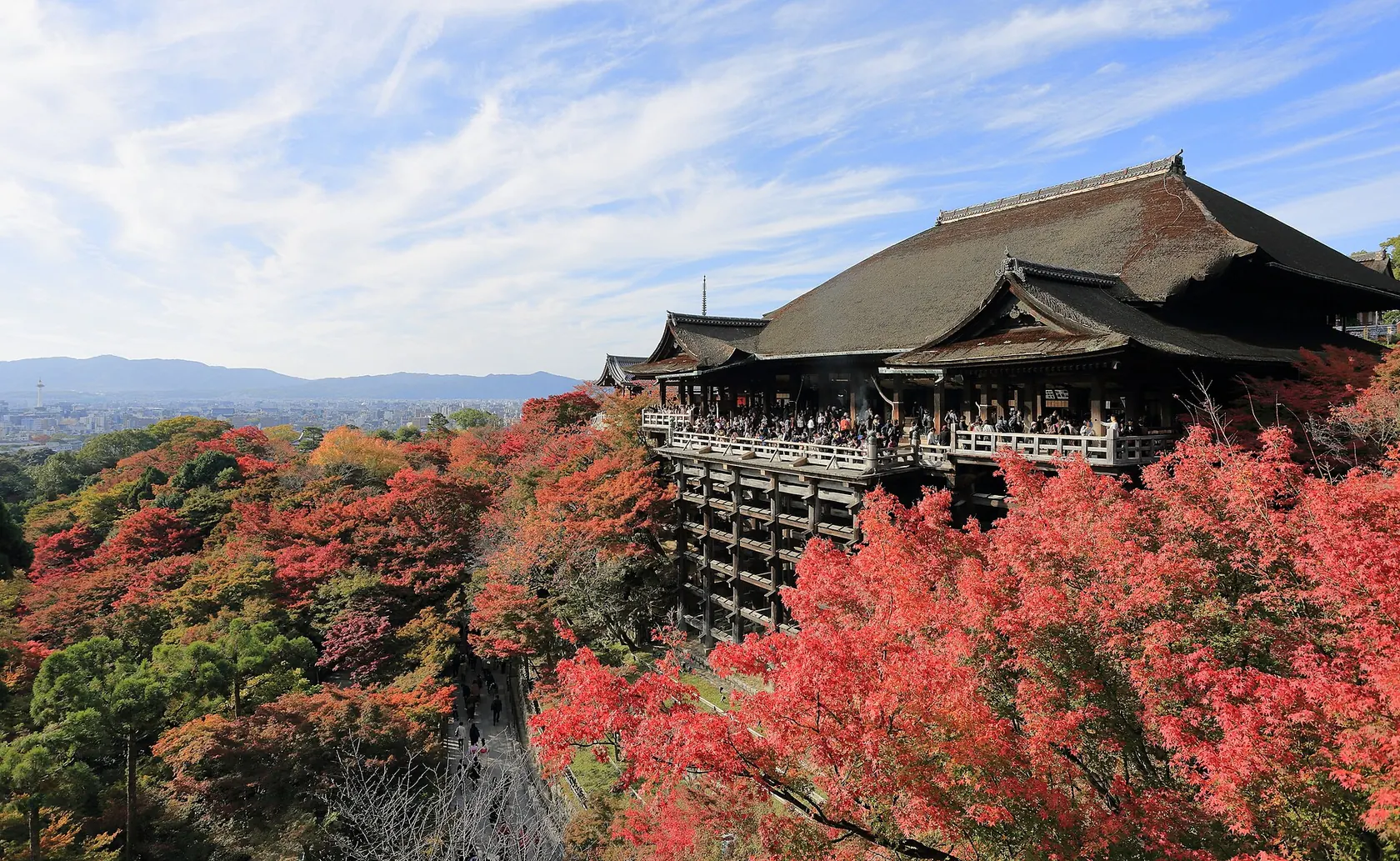
Kyoto
Temple gardens, neighborhood kitchens and old streets that reward a slower walk.
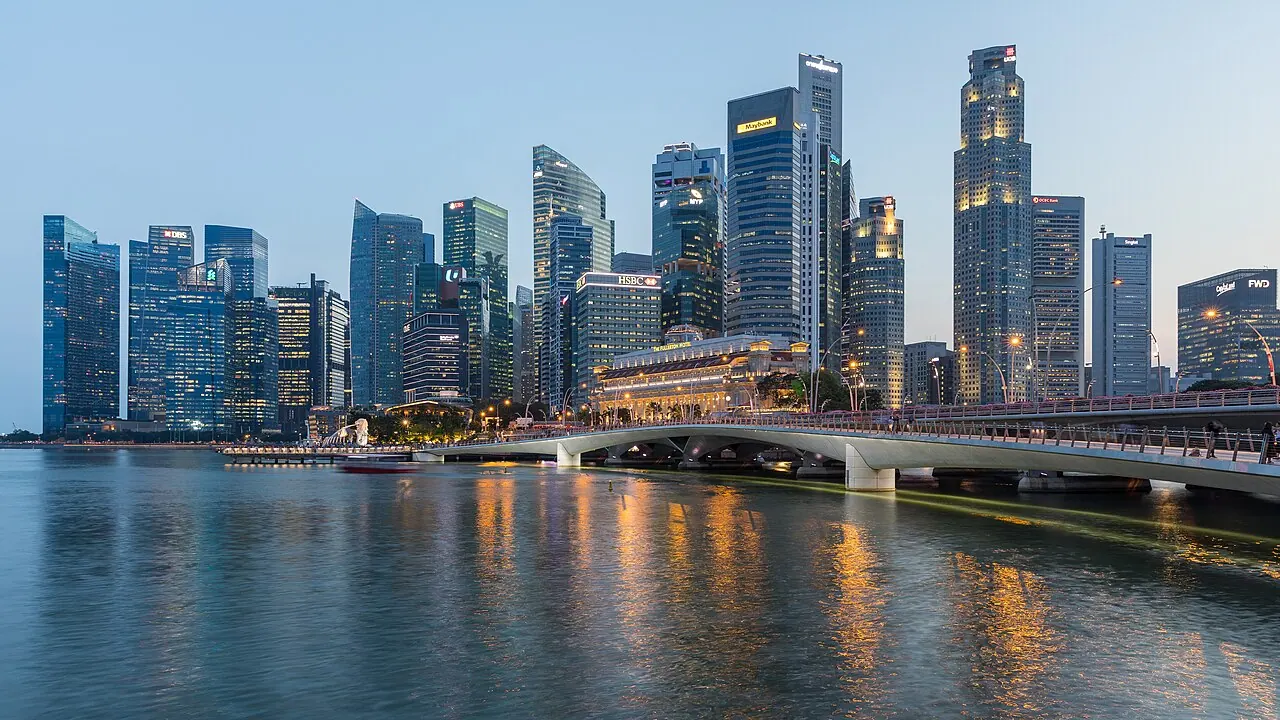
Singapore
A garden skyline, Chinatown’s living heritage and Little India’s streets, with hawker meals at the centre of the day.